India’s office market just posted its strongest first half on record. According to industry data, roughly 45.5 million square feet of office space was leased across the country in H1 2026 — the highest-ever six-month absorption — with Global Capability Centres (GCCs) alone driving about 43% of that demand. For any business planning an office move, expansion, or refresh this year, that headline number carries a practical message: the workspace you build now is competing in the tightest, most quality-driven market India has seen. Here is what the record means, and how to make your next fit-out work in your favour.
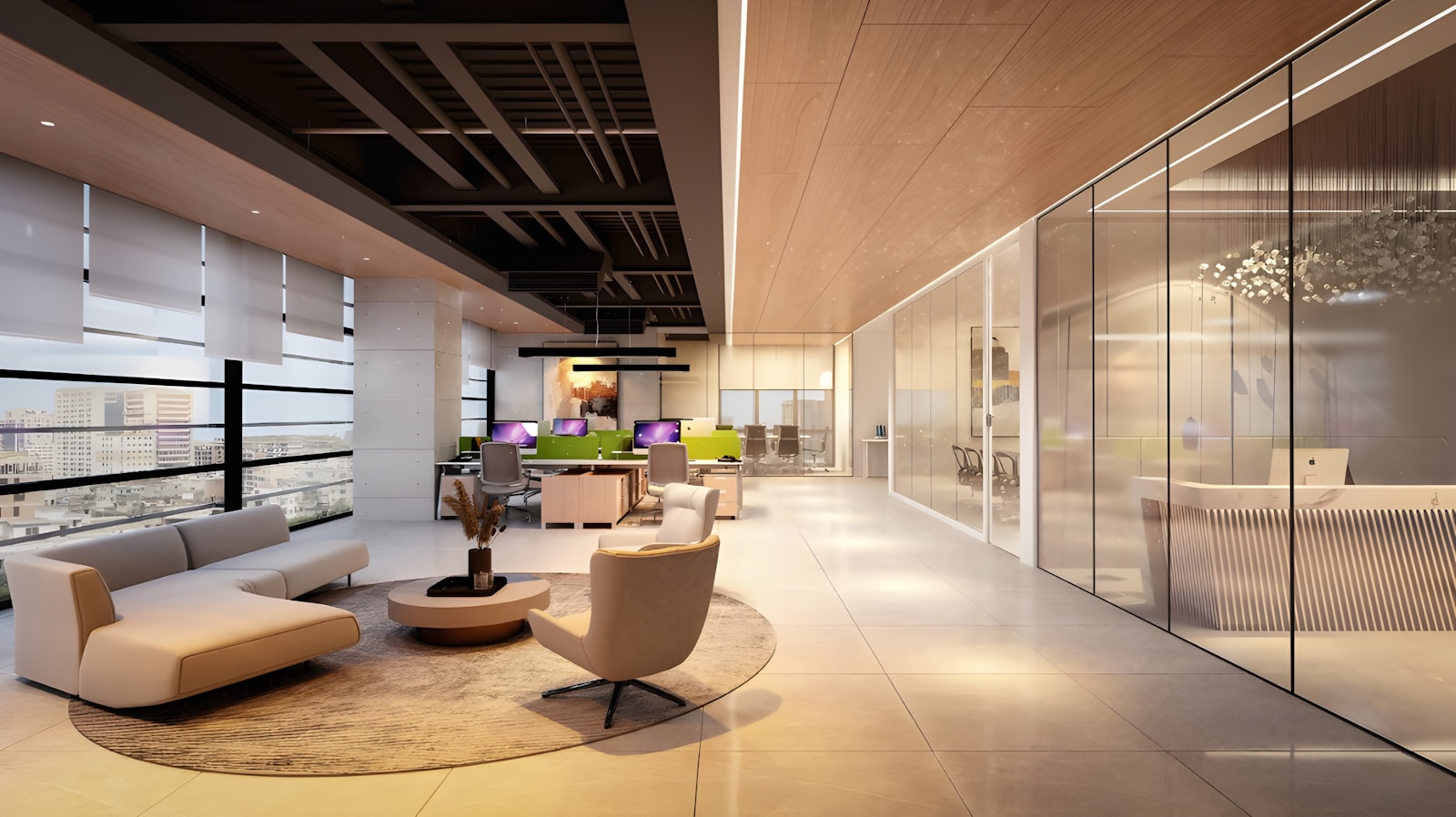
Why H1 2026 was a record — and who is behind it
The demand story is being written largely by GCCs — the in-house technology, finance, and operations hubs that multinationals run out of India. Their share of leasing climbed to around 43% in the first half of 2026, with GCC transactions up roughly 30% year on year. Bengaluru, Hyderabad, the Delhi-NCR belt, Mumbai, Pune, and Chennai remain the engines of this growth, absorbing the bulk of new supply even as around 32 million square feet of fresh office stock came online during the half.
What makes this cycle different from earlier booms is the quality bar. A large majority of new supply is now green-certified, and the overwhelming share of leasing is happening in green, well-amenitised buildings. Occupiers are no longer just chasing square footage — they are chasing buildings and interiors that help them attract talent, hit sustainability targets, and support hybrid ways of working. That shift moves the spotlight squarely onto the fit-out.
What a record leasing market means for your fit-out
When leasing runs hot, three pressures land on the interiors side of the equation at once. Understanding them early is the difference between a smooth build and an expensive scramble.
1. Timelines get tighter
In a fast-moving market, rent-free fit-out periods are precious and landlords are less flexible about extensions. Every week your space sits half-built is a week of paying for an office nobody can use. This is exactly where an integrated design and build approach pays off — a single accountable team running design, approvals, procurement, and execution in parallel rather than handing the project between separate consultants and contractors.
2. The talent-and-brand test is higher
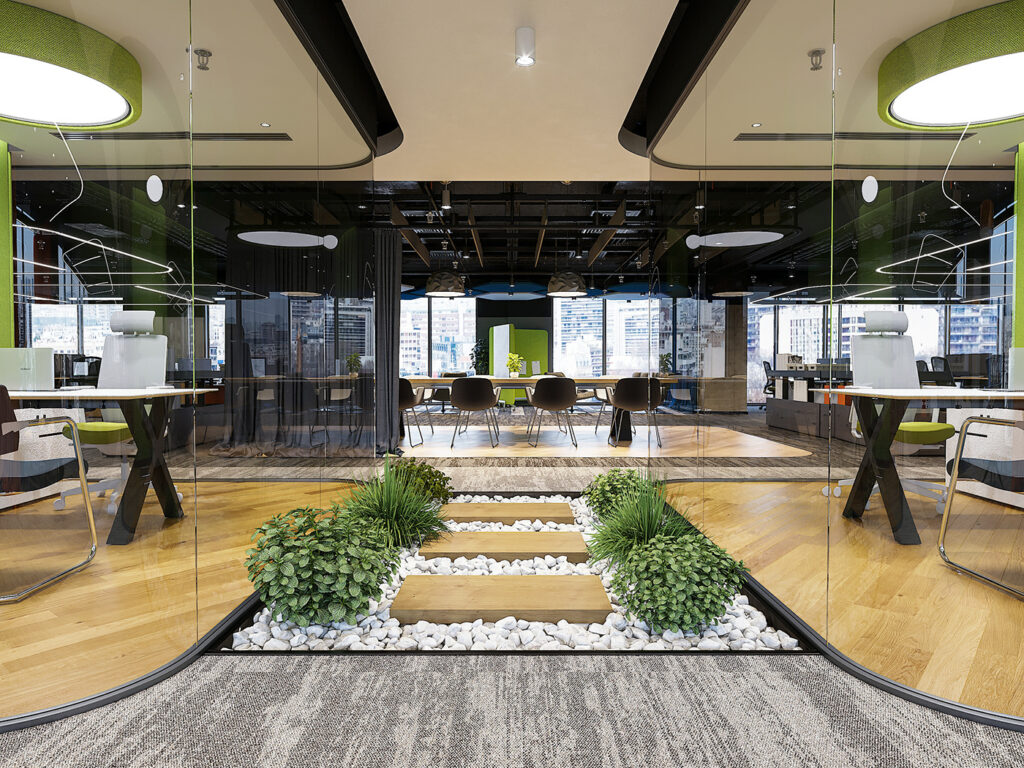
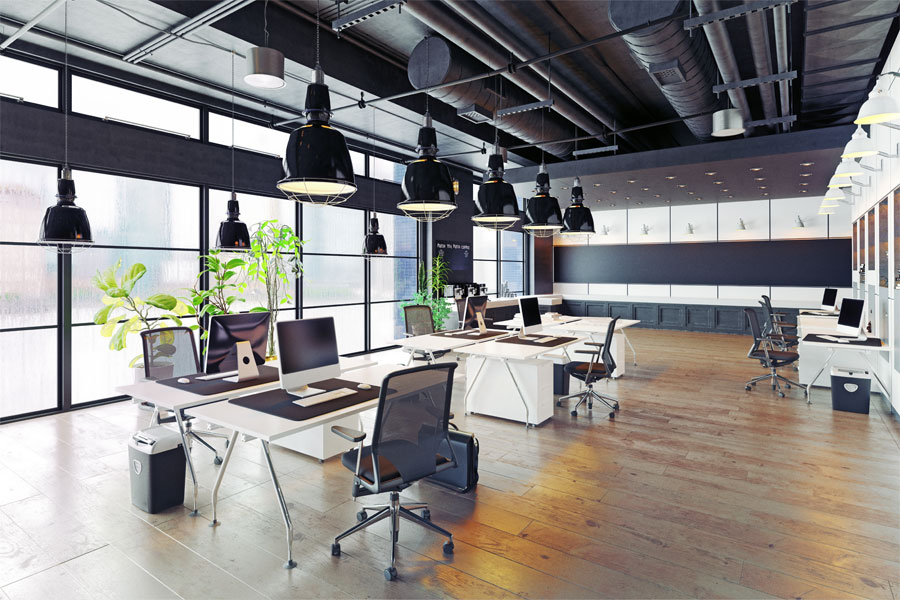
GCCs and growth-stage companies are competing for the same engineers, analysts, and designers. The office has become a recruiting tool. Thoughtful space planning, natural light, quiet zones for focus, and collaboration areas that actually get used now do real work in a hiring pitch. Generic cubicle farms don’t just look dated — they cost you candidates.
3. Green is now the baseline, not the bonus
With most leasing concentrated in green-certified buildings, sustainable interiors are becoming a default expectation from both landlords and employees. Energy-efficient lighting, responsibly sourced materials, and low-VOC finishes are increasingly written into fit-out briefs from day one. We explored the business case for this in detail in our piece on why sustainable office design will lead workplaces in 2026.
How to plan an office fit-out in a tight market
A record leasing environment rewards preparation. If your organisation is taking new space in 2026, a few moves will keep your fit-out on time and on budget.
Lock design intent before you sign. The best time to think about layout, headcount growth, and meeting-room ratios is while you are still evaluating buildings — not after the lease is signed. A test-fit exercise on shortlisted spaces tells you whether a floor plate genuinely suits your team, and can even strengthen your negotiating position on the fit-out period.
Design for hybrid, not for 2019. Attendance patterns have settled into a hybrid rhythm for most Indian offices. That usually means fewer assigned desks, more bookable collaboration and focus spaces, and technology that makes hybrid meetings feel equal for people in the room and at home. Building for peak daily occupancy rather than total headcount often frees up budget for higher-quality shared spaces.
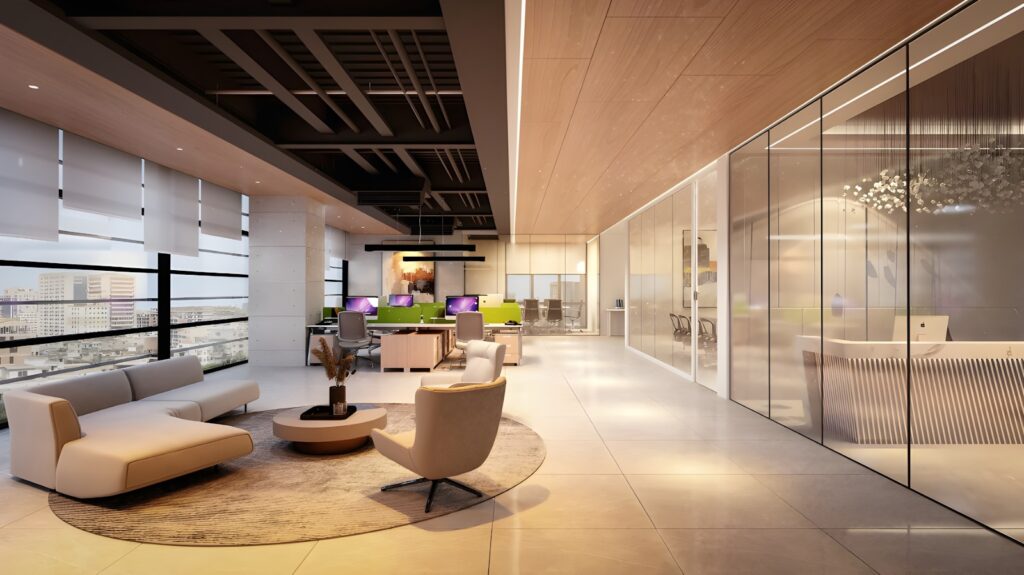
Use visualisation to remove guesswork. One of the biggest sources of delay and cost overrun is late-stage design changes. Reviewing a space in a realistic 3D walkthrough before a single wall goes up lets stakeholders sign off with confidence and cuts the expensive back-and-forth once site work begins.
Plan the cash flow, not just the capex. Fit-outs are a significant upfront cost in a year when many businesses are also paying for more space. Spreading that investment through structured fit-out finance can protect working capital while still delivering the workspace your team needs on day one.
The bottom line
The record H1 2026 numbers confirm what many occupiers already feel on the ground: India’s office market is busy, quality-led, and moving fast. GCC-driven demand and the shift to green, experience-rich buildings mean the interior is no longer a finishing touch — it is central to how a workspace performs for the business. Companies that treat the fit-out as a strategic project, planned early and executed by one accountable team, will get more from every square foot they take.
At AirBrick Infra, we combine AI-assisted design, 3D visualisation, and end-to-end design-and-build delivery to help corporate offices, co-working operators, and retail brands build spaces that are ready for this market. If you are planning a move or refresh in 2026, get in touch to talk through your space.