Before anyone draws a single workstation, one decision quietly sets the ceiling on your office project budget: the kind of space you signed for. A bare shell, a warm shell and a plug-and-play seat can sit in the same tower, on the same floor plate, at the same headline rent — and still land three very different numbers on your capex sheet.
Here is how the three options actually compare in India in 2026, and how to work out which one is cheaper for your specific lease rather than in the abstract.
Bare shell, warm shell, plug-and-play: what you are actually leasing
Bare shell
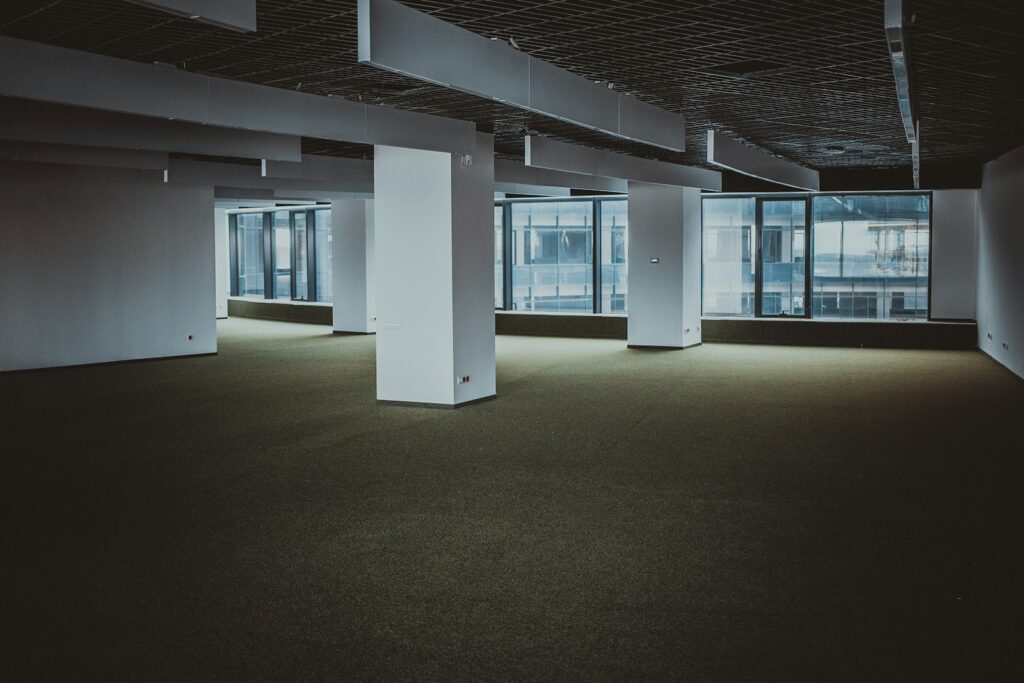
A bare shell is the building’s structure and nothing else. You get the slab, the columns, the external envelope, a power point at the floor’s edge and a stubbed-out service riser. No flooring, no ceiling, no HVAC distribution, no fire detection inside your demise, often no toilets fitted out beyond the core.
Everything else is yours to design, buy, install, test and certify — which means everything else is yours to pay for. The upside: the space is a blank canvas, so the design can follow your workflow instead of the previous tenant’s.
Warm shell
A warm shell is a bare shell where the landlord has already done the heavy, non-negotiable base build: HVAC to the floor (usually chilled water or VRF outdoor units with distribution capped at a point), fire detection and sprinkler mains, basic false ceiling grid in some cases, finished common areas, washrooms and lift lobbies, and a power allocation brought into your space.
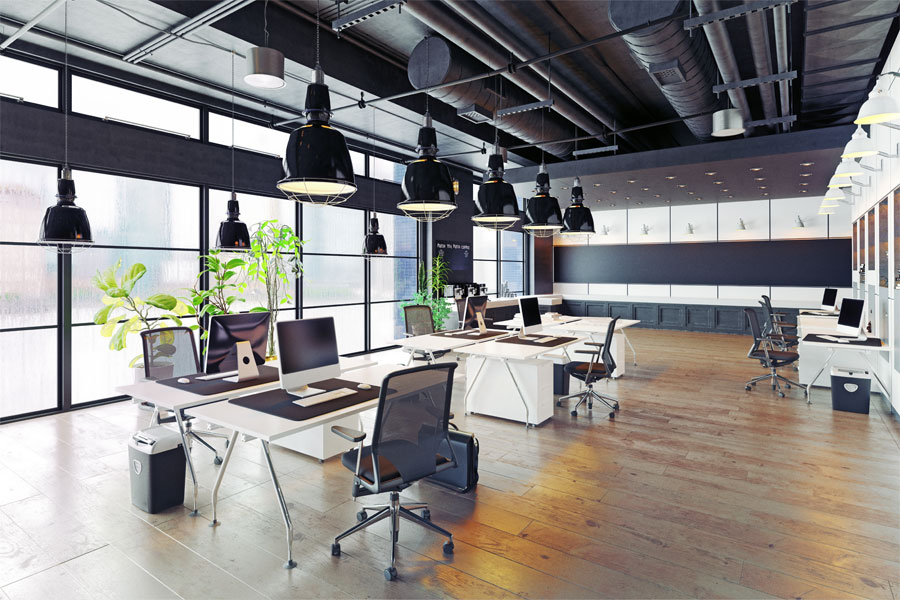
You still build the interior — partitions, workstations, meeting rooms, finishes, lighting, low-voltage systems — but you inherit perhaps a third of the mechanical, electrical and plumbing scope that would otherwise sit in your budget.
Plug-and-play or managed space
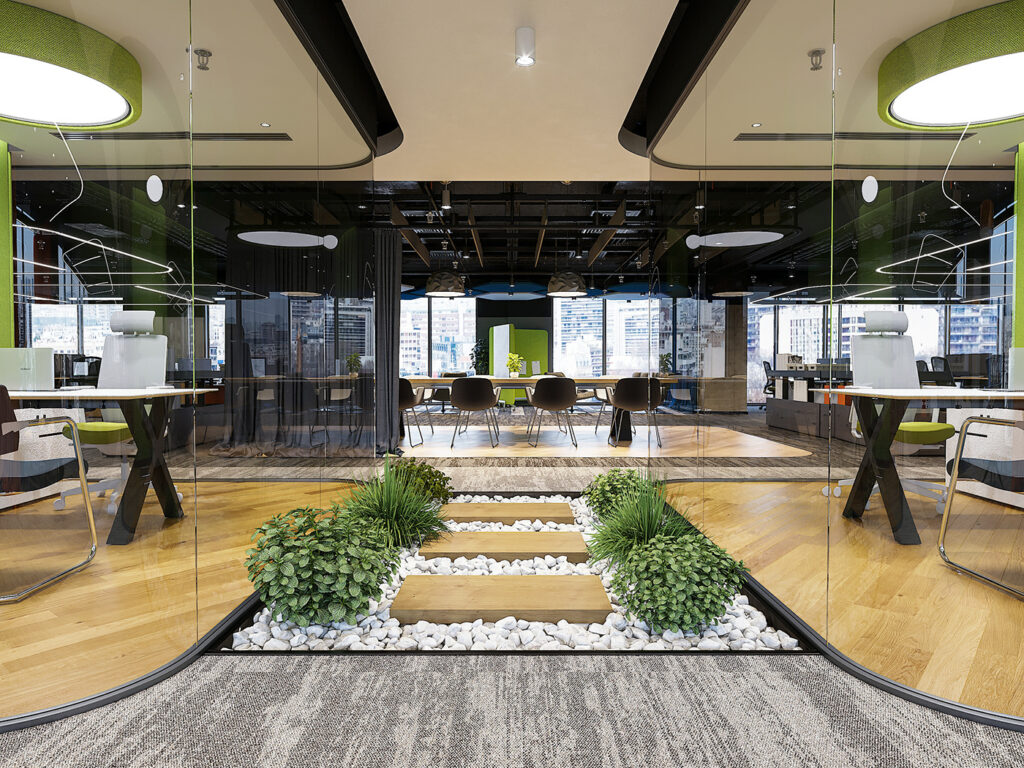
Here the space is already fitted out. You are buying seats, not square feet: furniture, cabling, internet, meeting rooms, cafeteria and housekeeping arrive bundled into a monthly per-seat charge. Capex is close to zero, notice periods are short, and you can be operational in weeks.
What you give up is control. Branding is usually skin-deep, floor plates are laid out for a generic tenant, and if your team grows past the operator’s available inventory in that building, you move.
What each option really costs
Indicative 2026 numbers for a mid-segment corporate office in a Tier 1 Indian city, and worth pressure-testing against live vendor quotes before you commit:
- Bare shell fit-out: roughly ₹2,800–4,800 per sq ft of capex, because the full MEP scope, fire compliance, flooring and ceilings all sit with you.
- Warm shell fit-out: roughly ₹1,900–3,400 per sq ft — the same interior quality, minus the base-build services you did not have to create.
- Plug-and-play: effectively zero capex, with a rent premium typically running 25–45% above the equivalent conventional lease once services and amenities are priced in.
The gap between bare and warm shell — usually ₹700–1,400 per sq ft — is the number most tenants underestimate, because it is buried in drawings rather than visible in the rent. We have broken the line items down in detail in our 2026 office fit-out cost per square foot guide.
The cost nobody puts in the budget: time
Shell type drives programme as much as it drives price. A 20,000 sq ft warm shell typically runs 10–14 weeks from design freeze to handover. The same area as a bare shell adds four to eight weeks, largely for HVAC installation, fire-system commissioning and the statutory approvals that follow. Plug-and-play is measured in days.
Those extra weeks are not free. Double rent during overlap with your existing lease, delayed headcount ramp, and a launch that slips past a hiring cycle are real costs — and they are the reason a “cheaper” bare shell deal sometimes loses on a total-cost basis. Early MEP and project consultancy input at the shortlisting stage is the cheapest hour you will spend on the whole project.
Three questions that settle the decision
How long is the lease?
Fit-out capex amortises over the lease term. On a nine-year lease with a lock-in, a bare shell build spreads thin and the control you gain is worth paying for. On a three-year term with an eye on relocating, that same spend never earns out — plug-and-play or a well-negotiated warm shell will almost always win.
How specific are your workflows?
Labs, trading floors, GCC operations with strict access zoning, studios with acoustic requirements, or anything carrying client-security obligations rarely fit a generic managed floor. If your operating model needs the building to behave a certain way, you need shell space and a proper space planning exercise. If your team mostly needs desks, meeting rooms and good wifi, managed space is doing the same job for less risk.
Is this a capex or an opex decision?
This is often the real constraint. Bare and warm shell builds are capex-heavy up front; managed space converts the whole thing into monthly opex. There is also a middle path — financing a conventional fit-out so a long-term asset is paid for over time rather than in one hit. We covered the trade-offs in CAPEX vs OPEX: where does fit-out finance fit.
A practical rule of thumb
For most growing Indian companies in 2026, the decision resolves roughly like this. Under 50 people with an uncertain 18-month outlook: take plug-and-play. Between 50 and 300 people on a five-year-plus horizon: warm shell is usually the sweet spot, giving you a branded, workflow-specific office without funding the landlord’s base build. Above 300 people, or with genuinely specialised requirements: bare shell is worth the premium, provided you have the programme runway and a delivery partner who can hold cost, quality and schedule together.
The mistake to avoid is comparing on rent alone. Compare on total occupancy cost per seat per month across the full lease term — rent, amortised fit-out, services, and the cost of the weeks you spend waiting. That single calculation reorders most shortlists.
Getting the numbers before you sign
The best time to price a fit-out is before the lease is executed, not after. A shell assessment during shortlisting tells you what each option will genuinely cost to occupy, and often gives you a negotiating lever — landlords will frequently upgrade a bare shell toward warm shell specification to close a good tenant.
AirBrick Infra runs exactly that assessment as part of our design and build engagements, using AI-assisted cost modelling across projects in 65+ cities to benchmark what a given shell should cost in a given market. If you are comparing options right now, get in touch and we will run the comparison against your actual floor plates.